School Board Approves November Referendum Plan That Preserves Armory Park
The Whitefish Bay School Board has approved a $90 million referendum for the November 3 ballot that rebuilds the middle school on its current site. Board members said the revised plan reflects what they heard after April about cost, Armory Park and a preference to reconsider renovate-in-place.
The Whitefish Bay School Board has officially approved a new $90 million facilities referendum for the November 3, 2026 ballot — with the middle school remaining on its current site and Armory Park preserved.
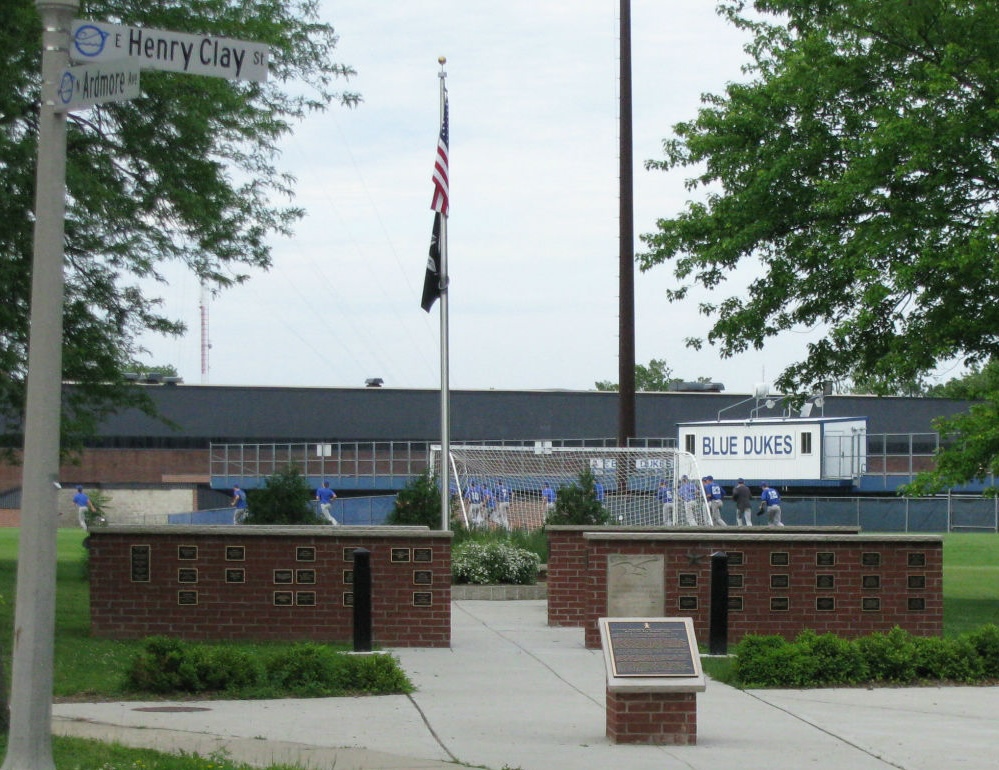
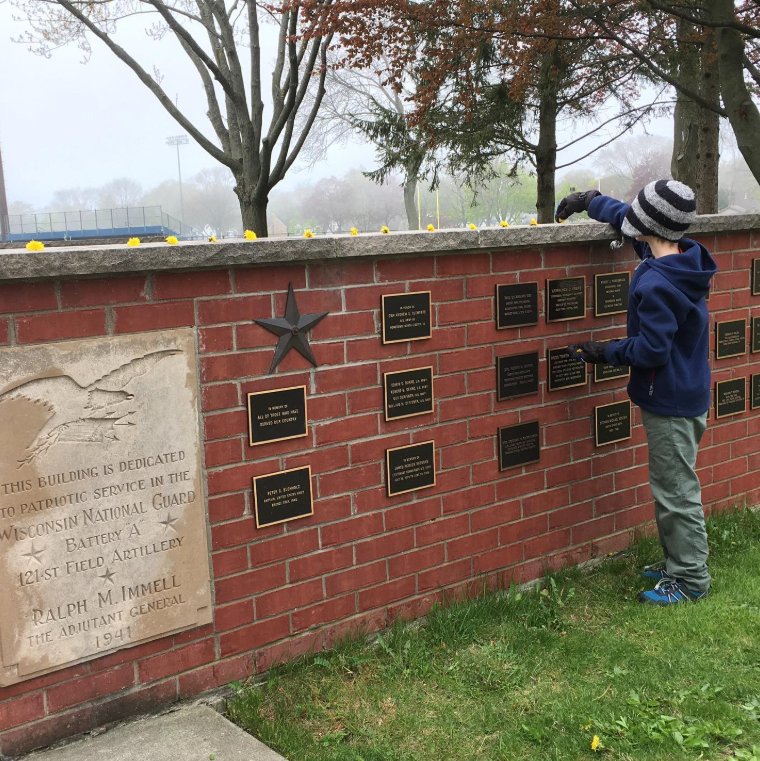
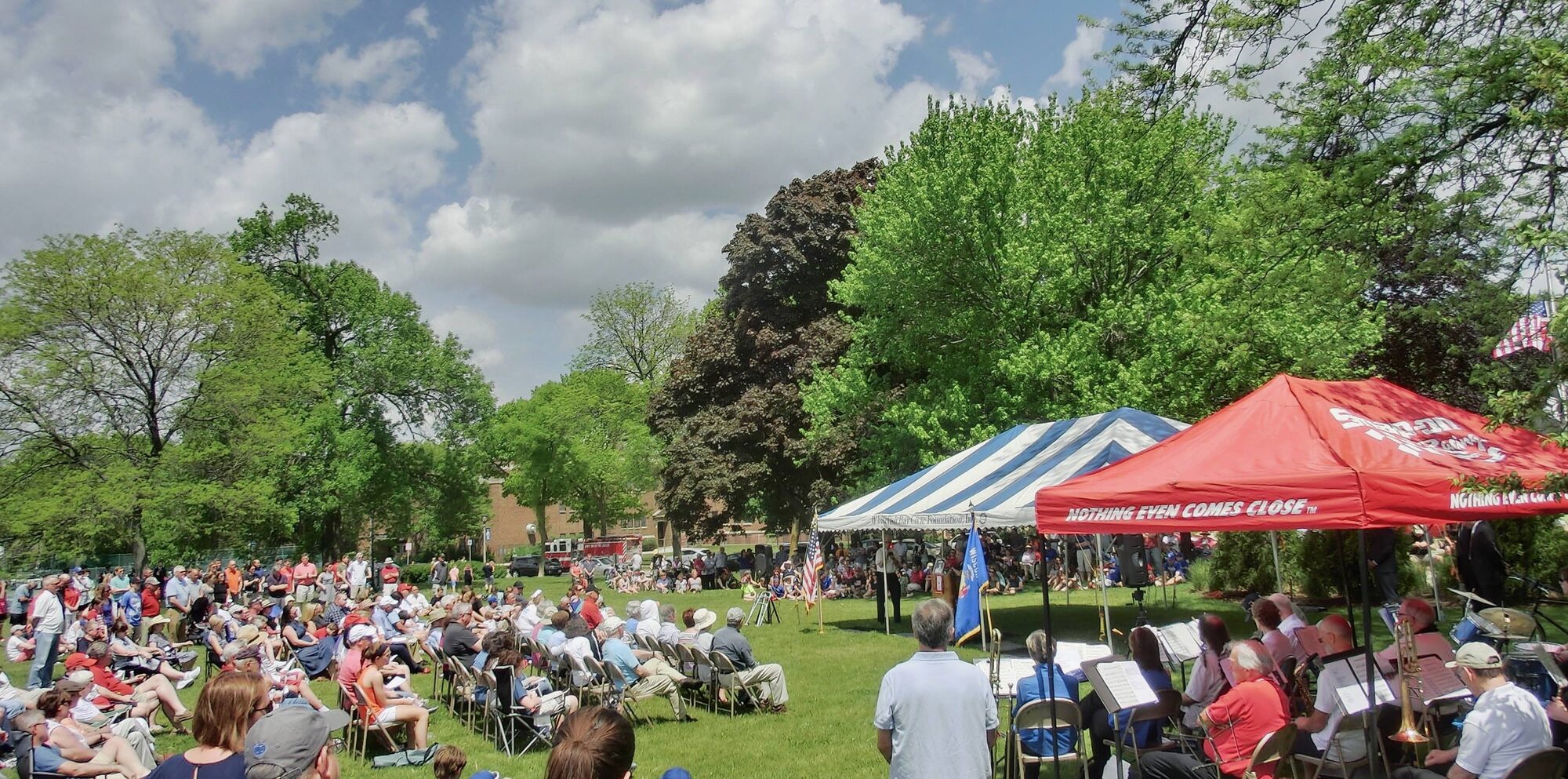
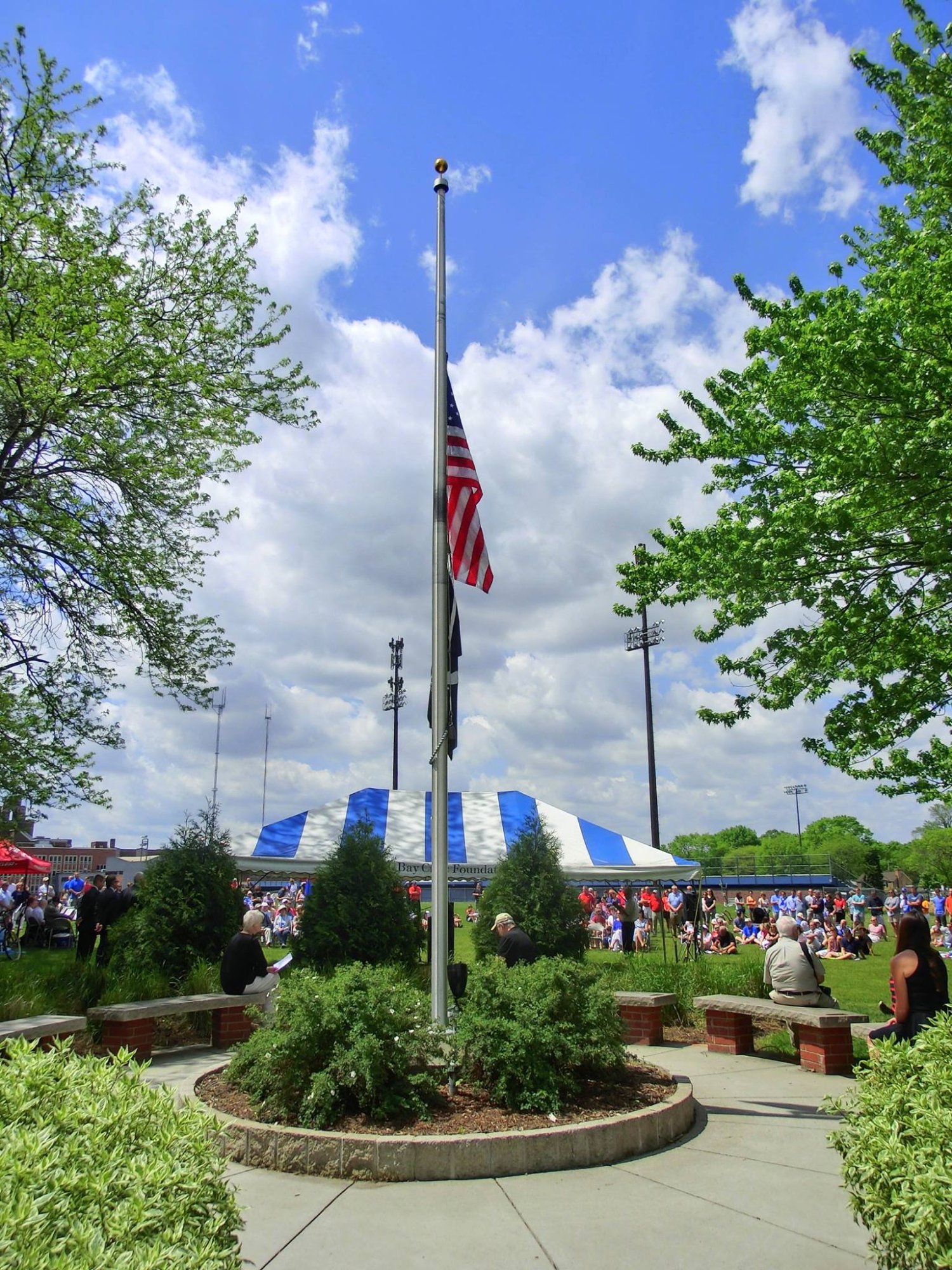
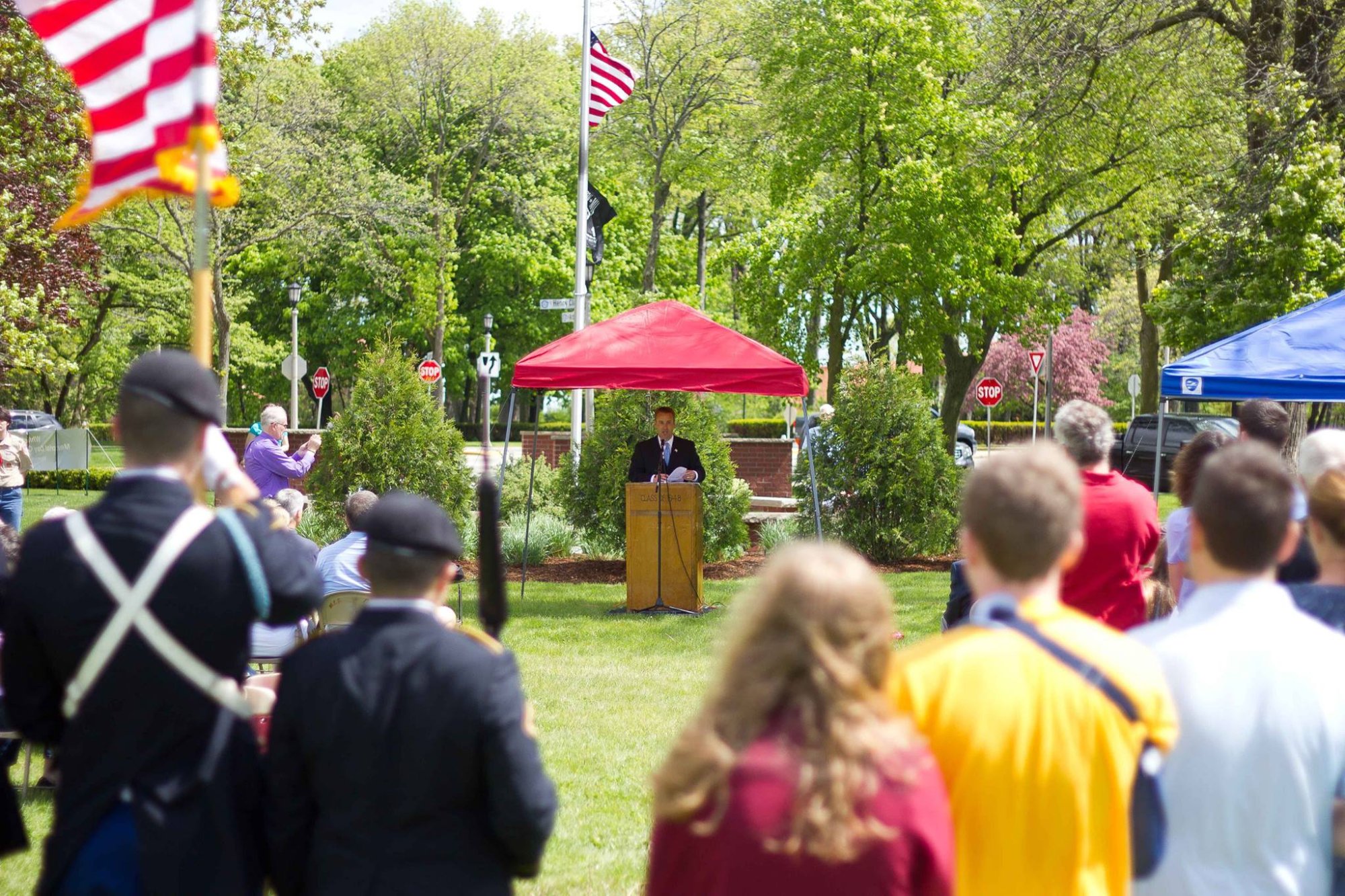
The revised direction has also earned support from the Friends of Armory Park. In July, the group issued a collective statement asking the district to preserve Armory Park and the Veterans Monument and Memorial Garden while finding another path for the Middle School. After the board moved toward rebuilding on the existing school site, the Friends followed with a new statement: “We, the Friends of Armory Park, support this plan.” For a closer look at the proposed rebuild-in-place design and phasing, see last week's detailed renovation presentation and recap.
The change from the April referendum followed months of community feedback. After the $135.6 million proposal failed, the district conducted a new community survey with more than 2,100 participants and four focus groups involving more than 170 residents. Board members said the feedback pointed to two major concerns: the overall cost of the proposal and opposition to building the new middle school in Armory Park.
Board President Kristin Bencik-Boudreau said more than 86% of survey respondents who opposed the April referendum said it was too expensive. She also highlighted a result that directly affected the Armory Park discussion: 48.65% of those who voted no cited the proposed middle school location as a reason. Focus-group conversations reinforced the opposition to changing the Armory Park site and included repeated requests for the district to take another serious look at rebuilding the middle school on its existing property.
Board member Lynn Raines pointed to another important survey result: weighted support was 57% for a $90 million proposal, compared with 44% at $95 million. That feedback helped lead the board to reduce the proposal, remove the Armory Park site from the plan, prioritize the district's most pressing facility needs and challenge its architects and construction partners to develop a substantially different renovate-in-place option.
The board has now approved both the $90 million bond resolution and the resolution placing it before voters. The legal referendum language specifically calls for additions, renovations, partial removal and site improvements at the middle school “on its current site.”
Community feedback changed the direction
During the discussion before the vote, several board members spoke directly about how the community response affected their thinking.
“The one thing that came as a surprise, however, was the opposition to the Armory site and the preference for renovate in place.” — Kristin Bencik-Boudreau, School Board President
Bencik-Boudreau said the board had initially believed opposition was concentrated largely among neighbors and people with close ties to Armory Park.
“Prior to the community survey and the focus groups, I felt there was only a small minority of residents who opposed the site — the neighbors directly affected, and those who had close ties to the Armory,” she said.
The survey and focus groups demonstrated something different.
“However, as the survey showed us, 48.65% of those who voted no did so because of the location of the proposed middle school,” Bencik-Boudreau said. “The focus groups with Friends of Armory also clearly detailed there was simply no support for changing the Armory site, and there would actually be an active campaign against it.”
“We listened. We redesigned. We prioritized.”
Raines offered one of the clearest summaries of why she supports the new proposal.
“For me, the rationale comes down to three things: we listened, we redesigned, and we prioritized.” — Lynn Raines, Whitefish Bay School Board
“We listened to the referendum result, concerns about the level of investment, and residents who asked us to take another serious look at renovating the middle school,” Raines said.
She emphasized that the new proposal is not simply a return to an earlier renovation concept. Architects substantially redesigned both the building and the construction process so a new three-story classroom wing could be completed first. Students could then move into those classrooms before major work begins on the rest of the building.
“The resulting approach fundamentally changed the plan,” Raines said.
She also addressed Armory Park directly: “We also took another serious look at Armory Park. For me, that evaluation reinforced a fundamental concern. Armory Park is not district-owned land. The hurdles and uncertainties that remain, and our reliance on circumstances outside the district's control, are simply too significant for me to view it as a viable path forward.”
At the same time, she said the new approach gives the community the opportunity to create an essentially new school on the existing site. “While we call this a renovation, the finished product will essentially be a new middle school.”
Raines concluded: “We listened, we redesigned, we prioritized, and we compromised. Compromise does not mean abandoning our goals as a board. It means finding a responsible path forward toward them that our community can move forward on together.”
Sandy Saltzstein: “I had underestimated” what the land meant to people
Board member Sandy Saltzstein, who participated in the district's Facilities Advisory Committee process, spoke candidly about how her understanding of Armory Park changed during the process.
“I certainly came to understand through this process that I had underestimated people's real, genuine, emotional feelings about that land and what it has come to mean over time.” — Sandy Saltzstein, Whitefish Bay School Board
She described that as an important piece of information the board did not fully appreciate during its initial discussions.
“I think that was an important piece of understanding that developed through the process that I don't think we had when we had our initial conversations.”
Saltzstein said she now believes the district has reached a good solution and expressed enthusiasm about the middle school floor plan and the opportunity to move ahead without using the park. “I think we've gotten to a good place here,” she said.
A substantially new middle school — on the existing site
Although the district continues to use the term “renovation,” the scope of the middle school project is extensive.
Architect Nicholas Kent explained that construction would begin with a new three-story classroom wing on the west side of the current school. That sequencing is critical: students would be able to move into permanent new classrooms before the existing eastern classroom wing is removed.
A new gymnasium and specialty classrooms would then be constructed on the east side. The oldest portion of the school would be substantially transformed while preserving some of its historic architectural features. The former gym and stage would become a central commons and gathering space, with the existing architectural details incorporated into the new design.
The current front portion of the building would eventually be removed and replaced with a new entrance, new facade and fully accessible routes into the school.
“Every system will be new. Virtually every finish in this building will be new. It will be a new building.” — Nicholas Kent, PRA
Superintendent Dr. Jamie Foeckler told the board that administrators believe the redesigned phasing makes the project workable educationally. Because the classroom wing would be constructed first, the academic core of the school day could continue in permanent classrooms while subsequent phases are completed.
District plans to continue answering community questions
Dr. Foeckler also highlighted another lesson the district plans to carry forward from the April referendum: giving residents opportunities to ask detailed questions and receive direct responses from the district and its project team.
He said the district received particularly positive feedback about how responsive it was to questions during the previous referendum process. More than 130 questions were submitted over roughly two months, and the district used a process that routed questions to the appropriate team members and generally produced responses within several days.
“We felt like that was very effective,” Foeckler said. “Got very good feedback from community members, both at personal sessions and also just feedback and a thank you and an email back from a response. So we're going to keep all of that the same.”
The district plans to bring back that question-and-answer format along with updated FAQs, community information sessions, online resources and additional materials explaining the new proposal.
Foeckler also said the district understands that residents will want to know why the proposal changed so substantially between April and November.
“We're prepared to tell that story,” he said, pointing to the survey and focus-group results as important evidence in explaining where the district was, where it is now and where it is going.
What the $90 million referendum includes
The November proposal is broader than the middle school. The approved resolution includes:
- Extensive rebuilding and renovation of Whitefish Bay Middle School on its current site
- Major HVAC, mechanical and infrastructure replacement at Whitefish Bay High School
- Fire-protection and fire-alarm improvements at Whitefish Bay High School, Cumberland Elementary School and Richards Elementary School
- Related furnishings, fixtures and equipment
The board was also transparent that $90 million will not address every facility need identified through the district's planning process. Elementary-school HVAC, accessibility, security and other projects remain, and board members discussed developing a clearer long-term facilities roadmap so residents understand what could need to be addressed in future years.
A process that produced a better path forward
The April referendum asked Whitefish Bay residents to support construction of a new middle school in Armory Park.
The November referendum will ask voters something fundamentally different: whether to make a major investment in a substantially rebuilt middle school on the district's existing middle school property, while leaving Armory Park intact.
How the community arrived at this point matters.
Residents rejected the first proposal. They participated in surveys, focus groups and listening sessions. They raised concerns about both cost and the loss of Armory Park. The board and district took that feedback seriously, reconsidered earlier assumptions and challenged their architects and construction partners to develop another solution.
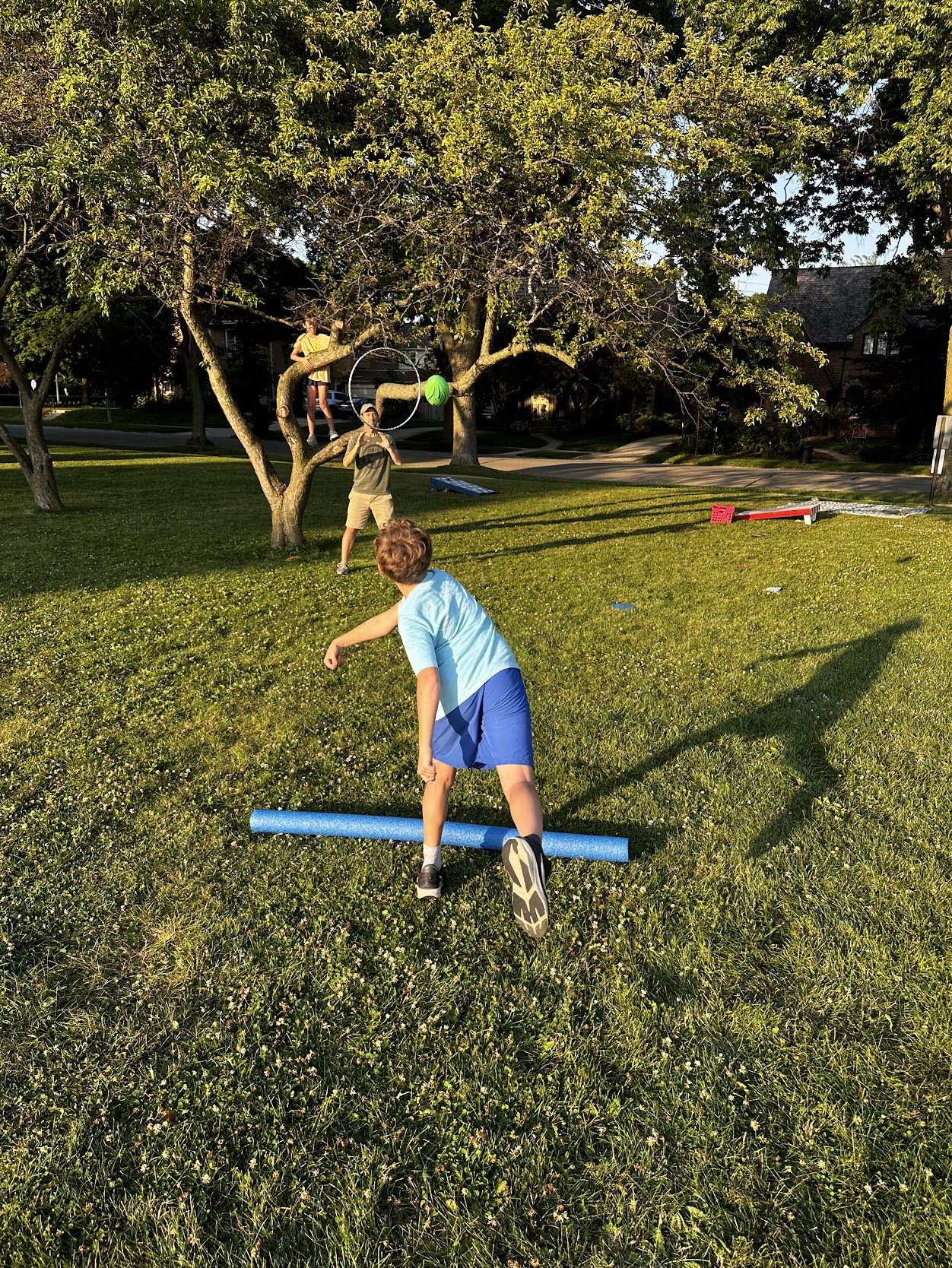
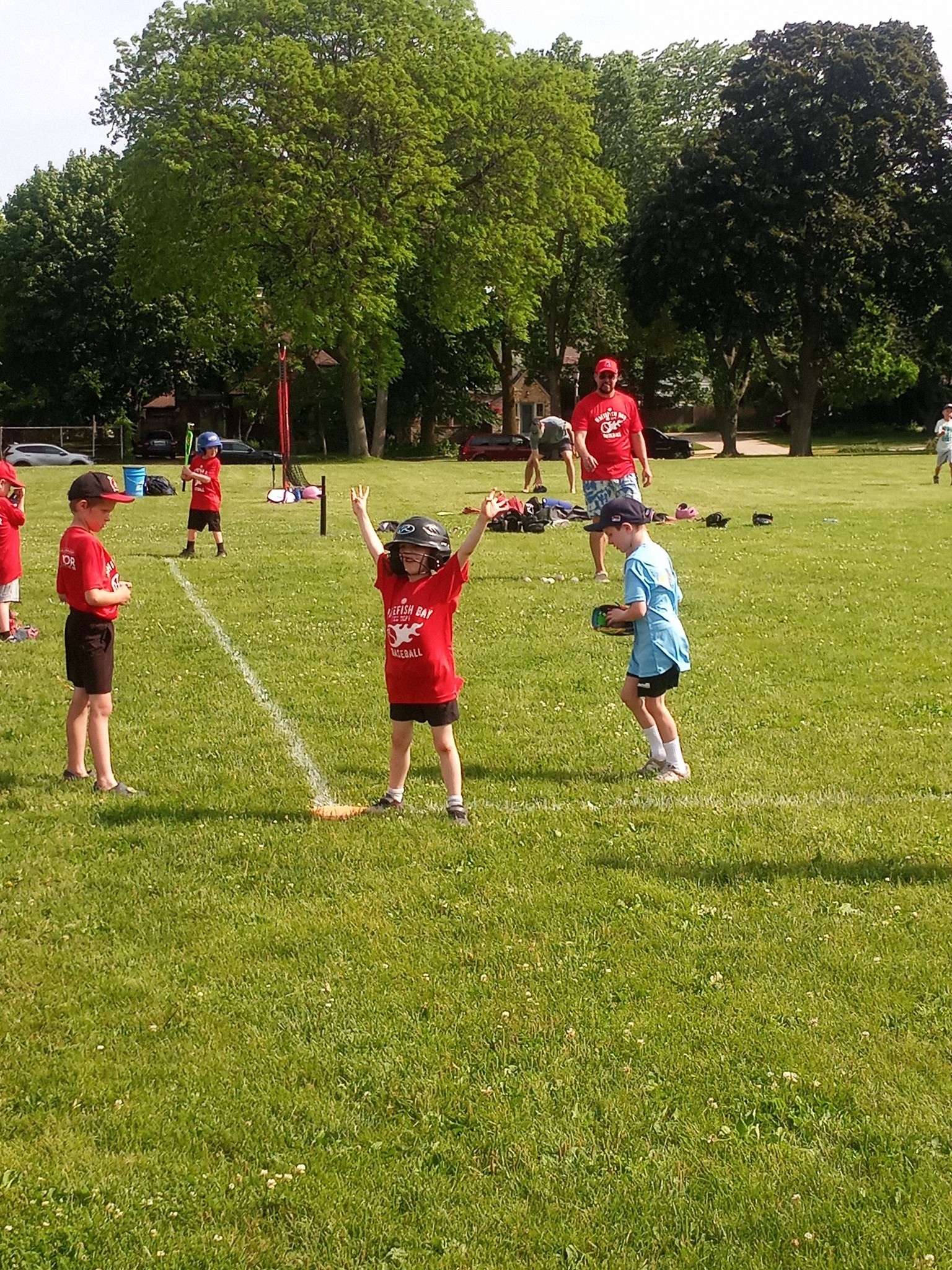
The result is a proposal that advances two priorities that previously appeared to be in conflict: making a significant investment in Whitefish Bay's schools while preserving Armory Park, its green space and the Veterans Memorial.
That is a positive outcome for the community and an example of the public process working as it should. The School Board and district deserve credit for listening to residents, responding to the concerns they heard and doing the additional work necessary to find a solution with broader community benefit.
The next decision belongs to Whitefish Bay voters on November 3, 2026.